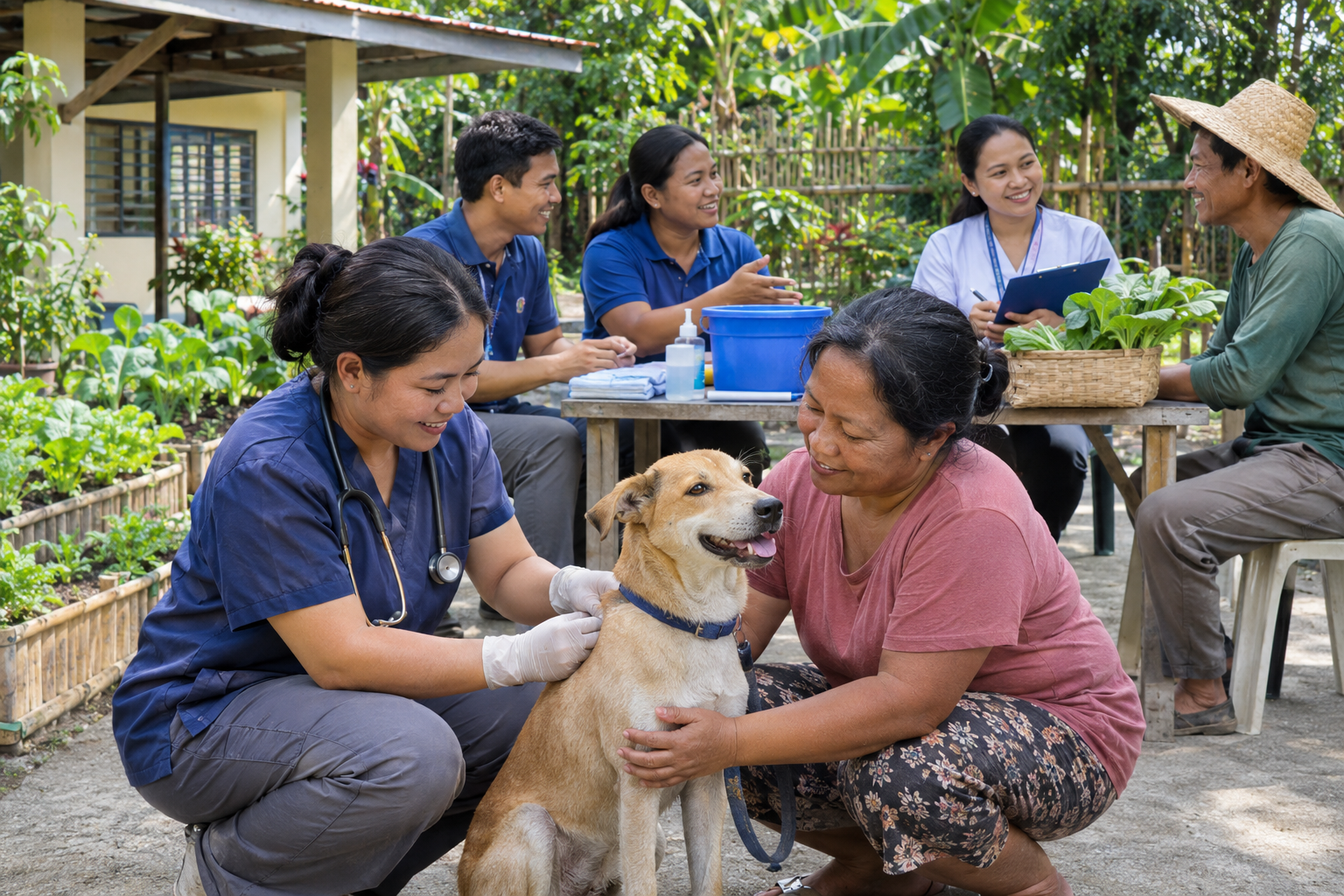
A child is bitten by an unvaccinated dog. Mosquitoes breed in water trapped beside a church. A farmer gives medicine to sick animals without veterinary advice. Waste enters a stream used by families downstream. These may look like separate problems, but they are connected. The health of people, animals, plants, and the environment often rises or falls together.
November 3 is One Health Day. The World Organisation for Animal Health describes One Health as a way of bringing human, animal, plant, and environmental sectors together to address risks such as diseases that pass between animals and people, antimicrobial resistance, unsafe food, climate pressure, and damage to ecosystems. In 2026, the theme is “Uniting Sectors for People, Animals and Ecosystems.”
The World Health Organization is also marking the day with a webinar focused on prevention before a crisis begins. Its examples include eliminating dog-mediated human rabies, sharing information across health sectors, preventing emerging diseases, and responding to climate-related health risks. This matters deeply in Southeast Asia, where crowded cities, farms, wildlife, coastlines, forests, and changing weather bring many kinds of life into close contact.
What One Health means for a local church
One Health does not mean that a pastor should become a doctor or a church volunteer should act as a veterinarian. It means recognizing connections and building relationships with people who have the right skills. A church can bring together local health workers, veterinary offices, farmers, teachers, environmental staff, parents, and community leaders before a problem becomes an emergency.
Churches already have strengths that public programs need. They know families, gather people regularly, communicate in local languages, organize volunteers, and often remain present after short projects end. These relationships can help trustworthy information reach people quickly.
But churches must respect professional boundaries. They should not diagnose disease, distribute prescription medicines, vaccinate animals without authorized personnel, or tell people to replace medical care with prayer. Prayer and professional care are not enemies. Compassion leads us to pray, tell the truth, and help people reach qualified services.
Begin with a community map
A simple One Health plan starts by asking what is present in the community. Where is the nearest rural health unit, Animal Bite Treatment Center, veterinary office, pharmacy, safe water point, waste collection area, and evacuation center? Which farms raise pigs, poultry, cattle, goats, or fish? Where do dogs roam? Where does floodwater collect? Which families live far from transport?
Do this mapping with barangay officials and technical workers rather than guessing. Include women, young people, older residents, people with disabilities, Indigenous leaders where relevant, and those who work directly with animals and waste. They often see risks that formal meetings miss.
Record only the information needed for planning. Do not publish names, medical conditions, household vulnerabilities, or farm problems on a public map. A useful community tool should not become a privacy or security risk.
Rabies prevention joins human and animal care
Rabies is a clear example of One Health. Vaccinating dogs protects animals and prevents human deaths. Teaching children how to behave safely around dogs reduces bites. Making Animal Bite Treatment Centers easier to find helps exposed people receive urgent care.
Churches can invite the city or municipal veterinary office to conduct an approved vaccination and responsible pet ownership activity. Volunteers can help with registration, shade, water, orderly lines, and transport for older or disabled pet owners. They can share official information without handling vaccines themselves.
If someone is bitten or scratched by a potentially rabid animal, the World Health Organization advises immediate washing with soap and running water for at least 15 minutes, followed by prompt medical assessment for post-exposure treatment. The person should go to an accredited Animal Bite Treatment Center or health facility. Do not rely on traditional suction, garlic, or other unproven remedies, and do not wait to see whether symptoms develop.
A church emergency notice can list the nearest treatment center, transport options, and official contact numbers. Review the list regularly because hours and services may change.
Control mosquitoes by caring for the environment
Dengue prevention is not only a clinic activity. Mosquitoes breed around homes, schools, churches, work sites, and gardens. A clean-up becomes a health intervention when it removes containers that hold water, covers water storage properly, clears blocked drainage safely, and improves waste management.
Organize clean-ups with the barangay and local health office so volunteers follow current guidance. Do not spray chemicals without trained supervision. Protect volunteers from sharp objects, contaminated water, heat, and traffic. Provide gloves, tools, drinking water, and a safe disposal plan.
The World Health Organization advises communities to dispose of solid waste properly and to cover, empty, and clean water storage containers weekly. Churches can build these habits into regular property checks instead of waiting for a dengue alert.
Use antibiotics and other medicines responsibly
Antimicrobial resistance develops when bacteria, viruses, fungi, and parasites stop responding to medicines. Misuse and overuse make the problem worse. Resistant infections become harder to treat in people and animals, while medicine residues and resistant organisms can also move through food, soil, and water.
Church health teaching should never tell people which antibiotic to take. Encourage members to seek advice from qualified health professionals, use antimicrobials only as directed, never share leftover medicine, and dispose of unused products through approved channels. Farmers should consult licensed veterinarians or authorized animal-health workers rather than copying a neighbor's treatment.
Pastors can also challenge the belief that the strongest medicine is always the best medicine. Good care may include testing, rest, fluids, vaccination, infection prevention, or another treatment rather than an antibiotic. The correct decision belongs to a qualified professional who has assessed the person or animal.
Safe food connects farms, markets, kitchens, and families
Food safety begins before cooking. Animal health, clean water, safe feed, transport, market hygiene, refrigeration, and waste disposal all affect the meal that reaches a family. Churches that run feeding ministries or events should purchase from reliable suppliers and follow local food-safety requirements.
Separate raw and cooked food, wash hands, protect food from pests, use safe water, and keep food at safe temperatures. Volunteers who are ill should not prepare meals. If several people become sick after an event, report it promptly through health authorities and preserve useful information such as the menu, supplier, preparation time, and names of responsible coordinators.
Do not protect the ministry's reputation by hiding a possible outbreak. Honest reporting allows professionals to stop further harm. Accountability is part of Christian witness.
Support farmers without giving unsafe advice
Smallholder farmers live at the center of One Health. They notice changes in animals, crops, water, insects, and weather. Churches can help farmers connect with agriculture and veterinary services, attend approved training, form fair cooperatives, and access reliable information.
If animals die suddenly or many become sick, volunteers should not touch, open, transport, sell, or eat them. Contact the local veterinary or agriculture office and follow official instructions. Photos and rumors posted online can cause panic, harm livelihoods, or expose a farm before authorities understand the problem.
Farm ministries should also respect biosecurity. Visitors may carry disease between farms on shoes, clothing, vehicles, cages, or equipment. Ask the farmer and veterinarian what cleaning, movement, and access rules apply before bringing a mission team onto the property.
Respect wildlife and natural habitats
Wild animals are not enemies, and they should not be handled by untrained volunteers. Habitat loss, illegal wildlife trade, unsafe hunting, and close contact can harm animals and increase disease risks. Churches can teach children to appreciate creation without touching, feeding, capturing, or keeping wildlife as pets.
When an injured bat, bird, snake, or other wild animal is found, contact the appropriate environment, wildlife, or rescue authority. Keep people and pets away. Do not create a public crowd or handle the animal for photographs.
Creation care also includes protecting streams, forests, wetlands, soil, and coastal areas. Healthy ecosystems support clean water, food, livelihoods, and protection from hazards. A tree-planting event is useful only when the right native species are planted in the right place and cared for after the ceremony.
Water, sanitation, and waste are mission concerns
Clean water and safe sanitation prevent many infections. A church can inspect its own toilets, handwashing areas, kitchen, drainage, and waste storage before teaching others. Fix leaks, keep soap available, cover water containers, and make facilities accessible to children, older people, and people with disabilities.
Medical waste, animal waste, batteries, chemicals, and unused medicines should not be thrown into ordinary drains or burned casually. Ask local authorities about safe collection and disposal. Volunteers should never sort hazardous waste without training and protective equipment.
In flood-prone communities, plan how toilets, wells, animal enclosures, and food storage will be protected. Keep emergency contacts and safe-water instructions ready before severe weather begins.
Notice unusual patterns and report them well
Churches often hear early when several families are sick, animals are dying, water smells different, or mosquitoes suddenly increase. This informal knowledge can help, but volunteers should not announce an outbreak or spread an unverified cause.
Record basic facts without collecting unnecessary personal data: what was observed, when, where, how many people or animals may be affected, and who has already been contacted. Pass the concern to the barangay health worker, local health office, veterinary office, agriculture office, or environmental authority as appropriate.
Use official updates when communicating publicly. Correct rumors gently. Do not name sick families, farms, or individuals unless authorities require it and privacy rules permit it.
Build partnerships before the emergency
A useful One Health ministry does not need to begin with a large project. Invite a local nurse, veterinarian, farmer, environmental officer, and youth leader to one planning conversation. Choose one realistic concern, such as pet vaccination access, mosquito breeding around the church, unsafe medicine disposal, or clean water during floods.
Agree on roles. Professionals provide technical guidance. Government offices connect the work to public systems. Community leaders explain local realities. Churches offer trusted relationships, volunteers, space, transport, prayer, and follow-up.
Set a date to review results. Count meaningful changes, not only attendance: dogs vaccinated by authorized teams, households linked to treatment, breeding sites removed safely, volunteers trained, or official referral information updated. Protect personal data and report limitations honestly.
Love sees the whole community
One Health Day reminds us that prevention works best when people stop working in separate rooms. Human health workers need animal and environmental knowledge. Veterinarians need community trust. Farmers need fair support. Families need clear information and accessible services.
The church can help connect these neighbors without trying to control them. It can model responsible pet care, clean surroundings, safe food, careful medicine use, truthful reporting, and respect for creation. It can make room at the same table for science, local knowledge, public service, and compassionate ministry.
Our calling is not only to respond when a person becomes sick. It is also to help build communities where risks are noticed early, animals are cared for, water stays clean, food is safe, and professionals can work together. When we protect the health of people, animals, and the places they share, care for creation becomes care for our neighbor.
Further reading: the World Organisation for Animal Health on One Health Day 2026 in Asia and the Pacific; WHO's November 3 webinar, “Before the crisis”; the ASEAN Leaders' Declaration on One Health; WHO guidance on rabies, antimicrobial resistance, and dengue prevention.
Build healthier communities through local partnership
Ask SendUsAll about practical mission, community care, and serving alongside local churches in the Philippines.
Contact SendUsAll