
For many years, missionaries came from Europe and North America to Africa. They planted churches, opened schools, built hospitals, translated the Bible, and trained Christian leaders. Today, churches in Africa are also sending missionaries to Europe, North America, Asia, and other parts of the world.
This movement is often called reverse mission. It shows that the Gospel does not belong to one nation or one part of the world. God can use believers from every country to reach people everywhere.
What is reverse mission?
Reverse mission happens when Christians from places that once received missionaries begin to send missionaries to other nations. African missionaries are now planting churches, training leaders, helping families, organizing outreaches, and sharing the Gospel in many countries.
This is not about paying back a debt. It is not Africa competing with the West. It means the Church has grown and become strong in new places. Mission is no longer moving mainly from the West to the rest of the world. It is moving from everywhere to everywhere.
1. The African Church has grown
Christianity has grown greatly across Africa. Many churches are full of young people who are ready to serve God. These churches pray, plant new congregations, train leaders, and send workers into the mission field.
Africa is not only a place that receives missionaries. Africa is also a powerful sending Church. Jesus gave the Great Commission to the whole Church, not only to believers from wealthy countries.
2. Many people in the West need the Gospel
Europe and North America have a strong Christian history. However, many people there no longer attend church or consider faith important. Some churches have closed. Many young people know little about the Bible. Others are lonely, confused, or searching for meaning.
This has created a new mission field. African missionaries can bring a living message of hope, prayer, faith, family, and community. They do not go to judge people. They go to love, listen, serve, and share the hope found in Jesus Christ.
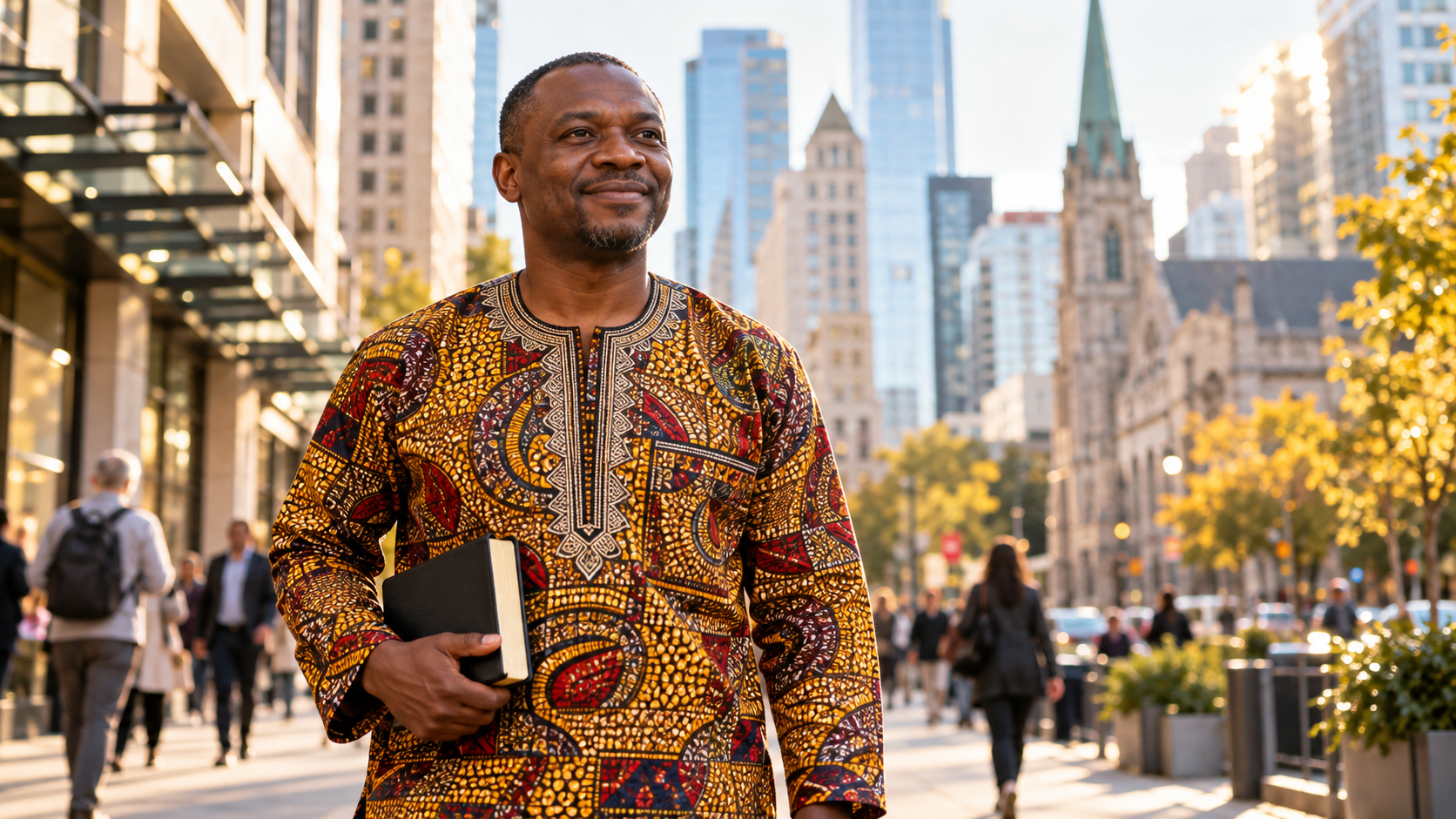
3. Africans are living around the world
Millions of Africans now live outside Africa. They move for education, work, business, marriage, or safety. When they move, many also carry their faith with them.
They begin prayer groups, Bible studies, churches, and outreach ministries. A person may move to another country for work, but God may also use that person as a missionary. Migration has become one of the ways the Gospel is reaching new communities.
4. African churches have valuable experience
Many African Christians understand the power of prayer, sacrifice, community, and hope during difficult times. Some churches have continued to grow despite poverty, conflict, or persecution.
They have learned that ministry does not depend only on large buildings, big budgets, or professional programs. It depends on God, faithful people, loving relationships, and the power of the Holy Spirit. This experience can encourage churches in other nations.
5. Travel and technology have opened new doors
People can travel and communicate more easily than before. Churches in different countries can work together through video meetings, social media, online teaching, and ministry networks.
A message preached in Nairobi can be heard in London, Manila, or New York. A church in Africa can support a missionary in Asia. Leaders in different nations can pray, learn, and plan together. Technology cannot replace personal relationships, but it can help the Gospel reach more people.
Reverse mission requires humility
African missionaries must prepare carefully. Passion is important, but passion alone is not enough. Every country has its own culture, history, language, and way of life.
Missionaries must listen and learn. They must respect the people they serve. They should work with local churches and leaders instead of trying to control them. A ministry method that worked in Africa may need to change in another country.
Reverse mission should never become a reason for pride. Africa has not come to prove that it is better than the West. Mission belongs to God, and all believers are His workers.
Partnership, not replacement
Western churches still have much to offer. Many have valuable experience in Bible training, administration, writing, technology, health care, education, and long-term mission work.
African churches also bring important gifts, including strong prayer, joyful worship, evangelism, hospitality, community life, and faith during hardship. When churches work together, they become stronger. The African Church can learn from the Western Church, and the Western Church can learn from the African Church.
Reverse mission is not replacement. It is partnership.
A biblical picture of mission
In the book of Acts, the church in Antioch sent Paul and Barnabas as missionaries. Antioch had once received the Gospel, but it later became a sending church. This is what is happening in Africa today. Nations that once received missionaries are now sending missionaries.
Some nations receive missionaries during one season and send them during another. Many do both at the same time. This is part of God’s plan to gather people from every nation, tribe, people, and language.
Africa’s time to go
The African Church must not wait until it has more money, better buildings, or perfect systems before sending missionaries. Mission can begin with what we already have. Churches can pray, train people, support families, build partnerships, and send workers step by step.
The Gospel came to Africa, took root, grew, and produced fruit. Now that fruit is being carried around the world. Africa is no longer only saying, “Please send missionaries to us.” Africa is also answering God’s call: “Here we are. Send us.”
Do you feel called to go?
SendUsAll welcomes missionaries, churches, and ministry teams who want to serve across cultures. Contact us to learn about mission opportunities and practical support in the Philippines.
Contact SendUsAll