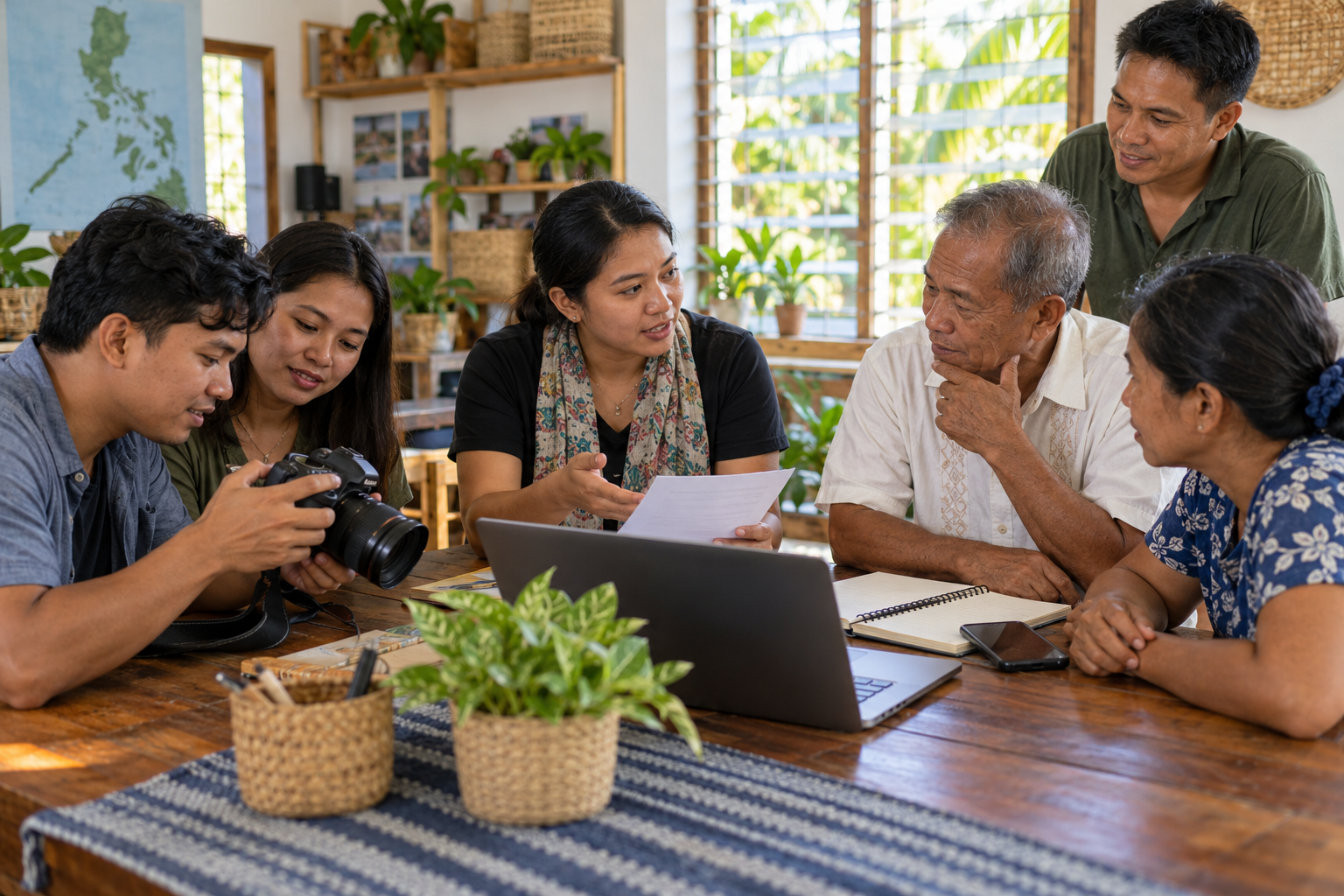
A testimony can move a church to pray, give, or go. A photograph can help distant supporters understand a community they may never visit. But the same post can expose a child, reveal the location of a vulnerable believer, shame a family, or remain online long after the person wishes it were gone. Mission storytelling is therefore not only a communication task. It is a ministry of truth, dignity, and protection.
November 2 is the International Day to End Impunity for Crimes against Journalists. In 2026, UNESCO is marking the day with the theme “Threats Evolve. Impunity Endures.” A same-day event in Bangkok is bringing journalists together to discuss the dangers faced by people who investigate and report the news in Southeast Asia. UNESCO says 86 percent of recorded killings of journalists remain unresolved.
Church media teams are not the same as professional journalists, but the day carries an important lesson for mission. Information has power. Names, faces, locations, and testimonies can bring encouragement, yet they can also create risk. People who communicate on behalf of a ministry must think beyond what will receive the most clicks. We must ask what is true, what is necessary, who could be harmed, and whether the person has freely agreed.
A good purpose does not remove the need for care
Churches often share stories for worthy reasons. They want supporters to see how prayer is being answered. They want to honor volunteers, encourage missionaries, report how funds were used, or invite help for a real need. Good motives matter, but they do not automatically make every photograph or detail safe to publish.
A person receiving food may smile for a camera because a respected pastor asks. A new believer may agree to a video without understanding that relatives, employers, or local authorities could see it. A parent may sign a form without knowing that an image can be downloaded, copied, and reshared anywhere in the world.
Ethical storytelling slows down long enough to consider consequences. The most dramatic story is not always the wisest story. Sometimes faithful communication means changing a name, removing a location, photographing hands rather than faces, waiting until a crisis has passed, or choosing not to publish at all.
Consent is a conversation, not a quick signature
Informed consent means that a person understands who is collecting the story, why it is being collected, where it may appear, how long it may remain available, and what possible risks exist. The person must be free to say no without losing aid, ministry support, friendship, employment, or standing in the church.
Explain the plan in a language the person understands. Show examples of a website, Facebook page, newsletter, or fundraising appeal. Say plainly that online content may be seen outside the Philippines or Southeast Asia and that the ministry may not be able to remove copies made by other people.
Do not hide a complicated request behind words such as “for documentation.” Be specific: “May we use your photograph and words on our public website and social media?” Separate permission to take a picture from permission to publish it. A person may be comfortable with an internal report but not a public post.
Consent should continue after the interview. Let the person know how to contact the ministry with questions or a request to withdraw. Where practical, show them the final story before publication, especially when it includes sensitive experiences or direct quotations.
Children need stronger protection
Children cannot carry the full responsibility for a public decision about their image. Seek permission from a parent or legal guardian and listen to the child as well. If either is uncomfortable, do not proceed. Never pressure a child to smile, repeat a painful experience, act out a scene, pray for the camera, or present a story that is not their own.
UNICEF's ethical reporting guidelines say the best interests of the child must come before advocacy or promotion. They also warn against publishing a story or image that might put a child, sibling, or peer at risk even when a name is changed or a face is obscured.
Protect children who have experienced abuse, exploitation, trafficking, displacement, conflict, serious illness, or contact with the justice system. Do not reveal a school name, home, uniform, landmark, family detail, or other clue that could identify them. When in doubt, describe the wider issue without turning one child into the public face of it.
Dignity matters more than emotional impact
Fundraising can reward the saddest image and the most desperate description. This creates a temptation to show people at their worst: crying, sick, hungry, poorly dressed, or standing beside a damaged home. Such images may produce a quick response while reducing a whole person to one moment of need.
The International Committee of the Red Cross advises communicators to avoid equating vulnerability with helplessness and to show people's resilience, courage, preferences, and aspirations. Mission stories should do the same. A family affected by disaster is also a family with skills, relationships, faith, humor, and plans. A community is not merely a background for a missionary's success.
Show local pastors, women, young people, elders, teachers, and volunteers as leaders and partners. Name their contribution when it is safe. Avoid language that makes an outside team appear to have arrived where God and the local church were absent. The most honest story often shows mutual service rather than a hero and a helpless recipient.
Accuracy is a Christian responsibility
A testimony should be checked just as carefully as a financial report. Confirm names, dates, places, numbers, and quotations. Ask whether the person actually said the words placed in quotation marks. Do not combine details from several people into one “true story” unless it is clearly labeled as a composite and there is a strong protection reason.
Avoid exaggeration such as “the whole village accepted Christ,” “no one had ever heard the Gospel,” or “this community has nothing” unless reliable evidence supports the claim. Such sentences may erase earlier local ministry and disrespect the people being described.
Provide context. If a church gives relief after a fire, explain that local government, neighbors, and other organizations are also responding when that is true. If a project is still beginning, do not report a long-term transformation. Honest communication may sound less dramatic, but it builds trust that can last.
Protect sensitive believers and ministry partners
In some Southeast Asian settings, public identification as a Christian, church worker, refugee, trafficking survivor, political critic, or member of a minority community may create social, family, employment, legal, or security risks. The person closest to the situation should help assess the danger, but ministry leaders still have a duty to be cautious.
A changed name may not be enough. A face, voice, distinctive clothing, building, landscape, vehicle plate, school sign, or description of a journey can reveal identity. Phones and cameras may also store location information inside image files. Screenshots can expose chat names, contact numbers, or private messages.
Before posting, review the whole frame and the file information. Crop or blur identifying details where appropriate. Remove unnecessary location metadata. Do not publish live travel routes, private meeting places, safe houses, border crossings, or the names of people who did not agree to appear.
Build a simple safety review before publishing
Every ministry does not need a large communications department, but every ministry should have a review process. One person can prepare a story; another trained person should check it before publication. Sensitive stories may need review by a safeguarding leader, local pastor, data-protection contact, or someone who understands the security context.
Use a short checklist: Is the story accurate? Is consent informed and recorded? Could anyone be identified indirectly? Does the post reveal a location? Is a child or vulnerable adult involved? Is the image dignified? Does the person know this may be used for fundraising? Is the aid they receive completely independent of consent? Who will respond if they later raise a concern?
Give one person authority to stop publication. A deadline, donor request, or excited team leader should not overrule a serious safety concern. When the risk is uncertain, choose the safer form: a general update, an illustration, an image of the activity without identifiable faces, or a story told after details have changed.
Store stories and consent records securely
The risk does not end after a post is published. Raw interviews, identity documents, consent forms, contact information, health details, and unedited images may be more sensitive than the final article. Do not keep them indefinitely on personal phones, open messaging groups, or shared drives that every volunteer can access.
Decide who needs access, where files will be stored, how they will be backed up, and when they will be deleted. Use strong passwords and multi-factor authentication. Remove former volunteers from accounts promptly. Do not send a spreadsheet of vulnerable people through a public group chat because it is convenient.
Artificial intelligence tools add another question. Do not upload a confidential testimony, child's photograph, private recording, or sensitive ministry list into an AI service without authorization and a clear data policy. Convenience does not cancel confidentiality.
Be honest when using generated or edited images
Illustrations and generated images can protect real people when a topic is sensitive. They can also mislead if they are presented as documentary evidence. If an image is illustrative, label it appropriately. Never create a scene and imply that it shows an actual outreach, conversion, disaster, or miracle.
Basic adjustments for brightness, color, or cropping should not change the meaning of a photograph. Do not add crowds, remove inconvenient people, alter signs, or combine moments to make an event appear larger or more successful. Keep original files when a documentary record matters.
Mission communication should resist the pressure to appear perfect. A smaller attendance number is not a failure. A project with lessons and limitations can still be worth sharing. Truth honors both God and the audience.
Tell stories with people, not merely about them
The best mission stories are shaped with the community. Ask local leaders what they want others to understand. Invite the person to describe their own hopes instead of fitting their words into a prepared message. Use local language when possible and translate carefully. Return a copy of the photograph or story to the people who made it possible.
Share the benefits of visibility. If a story attracts donations, explain how decisions about those funds will be made. If a person's testimony generates invitations or attention, consider whether they should be supported to speak for themselves. Do not build a ministry's reputation on someone else's pain while leaving that person without a voice.
Accountability also includes correction. If the ministry publishes an error, correct it clearly. If a consent concern is raised, respond respectfully and remove the content where possible while investigating. Defensiveness can deepen harm; humility can rebuild trust.
Truthful witness protects our neighbors
On this November 2, the world's attention is drawn to journalists who face threats because they pursue and publish truth. Churches can honor that concern by examining the truthfulness and safety of their own communication.
Mission stories should help people see what God is doing without treating anyone as a tool. They should invite prayer without exposing a believer, encourage generosity without exploiting poverty, and celebrate service without erasing local leadership.
A responsible communicator asks one final question before pressing “publish”: If this were my family, my testimony, my child, or my place of worship, would I consider this honest, respectful, and safe? When love guides both the story and the way it is told, communication itself becomes part of the mission.
Further reading: UNESCO's International Day to End Impunity for Crimes against Journalists and its November 2, 2026 Southeast Asia event; UNICEF's ethical reporting guidelines for children; the ICRC guide to ethical content-gathering and informed consent; and UNHCR's ethical communications principles.
Share mission stories with truth and care
Ask SendUsAll about responsible mission communication, local church partnership, and serving communities with dignity in the Philippines.
Contact SendUsAll